
The front-desk notebook

Notes from a desk that doesn't go home at five.

Short, specific guides for the people who actually answer the phone — and the managers who review what happened the next morning.

Open leather notebook with fountain pen and brass desk bell under evening lamp light
Dental tool and a small paper note on cream paper
Entry 01 · Emergency dental4 min read

What to ask after an emergency dental call

A short structured intake your team can repeat at 2 AM — pain level, swelling, current patient status, and the next-step rule for your practice.

Takeaways

  • Capture pain (0–10), swelling, fever, and onset.
  • Confirm current patient vs new — separate the two paths.
  • Read your team's approved ER referral language, never improvise.

Phone and a small paper notepad with a pen
Entry 02 · Safer SMS5 min read

How to write a safer after-hours SMS

Short message, no sensitive details in the body, YES / NO / STOP path, and a clear sender. Templates you can adapt without legal review.

Takeaways

  • Keep PHI and case details out of the message body.
  • One ask per message; explicit reply options.
  • Always honor STOP and respect quiet hours.
Brass bell and a paper tag on a dark desk
Entry 03 · Escalation4 min read

When a caller should be escalated to staff

A simple rule set you can drop into a script: signals that mean stop the automation, route to a person, and log the reason.

Takeaways

  • Distress, threats, or emergencies — escalate immediately.
  • Repeat callers within a short window — escalate quietly.
  • Anything outside scope — pause, log, and hand off.
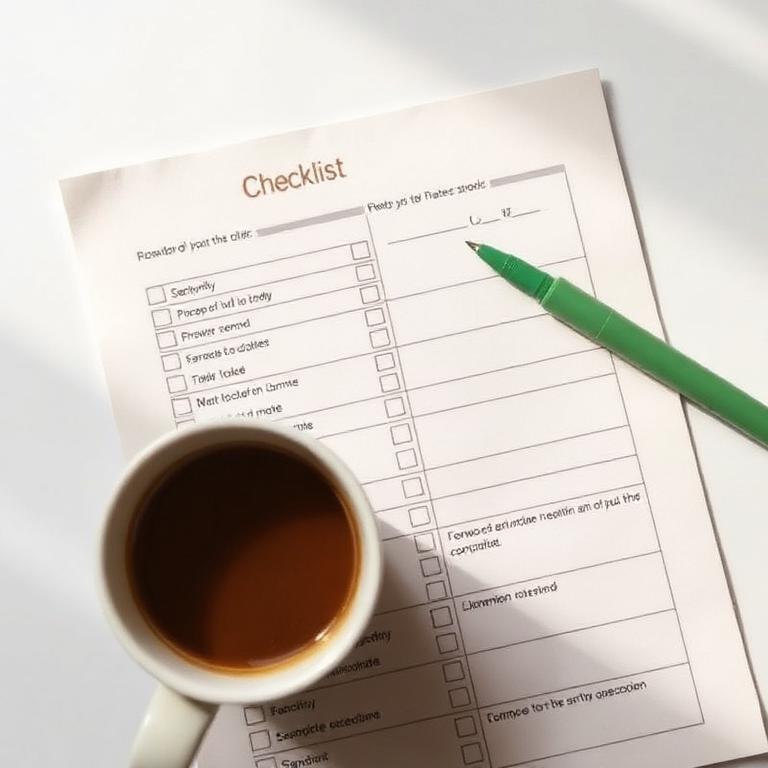
Printed checklist with a green pen and a coffee cup
Entry 04 · Review checklist6 min read

Missed-call review checklist for practice managers

A morning routine that takes 12 minutes. Approve, edit, decline, escalate — and the four signals to watch for across the week.

Takeaways

  • Triage approve/edit/decline before responding to anyone.
  • Flag repeat after-hours patterns by day-of-week.
  • Audit one random transcript per day — keeps quality honest.
Stack of paper receipts tied with twine on cream linen
Entry 05 · Booking trail5 min read

A booking-trail template for local services

The exact fields a callable trail should contain — caller, intent, source, time held, time confirmed, who reviewed, and what was decided.

Takeaways

  • Every field should link to a source — call, SMS, or staff action.
  • Held ≠ booked; keep the two states visibly distinct.
  • Store a one-line summary you can paste into your PMS.
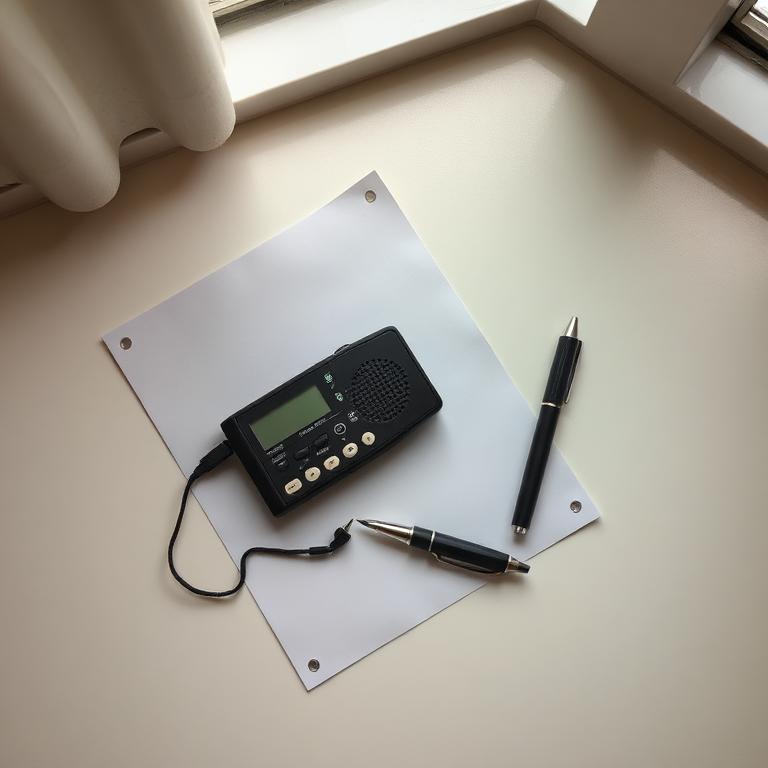
Small handheld recorder on a paper sheet beside a pen
Entry 06 · Recording consent7 min read

Call recording consent basics for local businesses

Plain-English overview of one-party vs two-party consent, where to disclose recording, and how to handle callers who decline.

Takeaways

  • Default to disclosure; it's cheap and avoids surprises.
  • If a caller declines, capture intent without recording.
  • Keep your disclosure script in one place your team owns.
A vintage landline phone and a modern smartphone with a small notepad
Entry 07 · Compare options8 min read

How to compare call answering options

Voicemail, after-hours service, virtual receptionist, AI receptionist — what each one is good at, and the questions to ask before you switch.

Takeaways

  • Compare on capture rate, qualification depth, and review surface.
  • Ask any vendor for an example handoff note from a real call.
  • Plan for the path back: can you export your call history?
Paper tag and a fountain pen on muted fabric in warm light
Entry 08 · Where automation stops4 min read

Where automation should stop

A short list of decisions that should never be left to a model — pricing commitments, medical triage, legal advice, and identity verification.

Takeaways

  • No final pricing — always confirmed by staff.
  • No clinical or legal opinions, ever.
  • Identity-sensitive actions require a human handshake.

Want these as printable templates?

We send a tidy PDF pack to anyone who asks.